
No matter how often I visit Southern Africa’s wild places, there are always missing puzzle-map pieces. Zimbabwe’s Eastern Highlands, Gonarezhou National Park, and the newly promulgated Maputo National Park, were holes on my African treasure map. So we cobbled together a road trip that would fill these blank spaces. Three couples and 4x4s on a Southern African adventure.
Wakkerstroom, Mpumalanga, South Africa
Two days of highway birding had us on 42 species by the time we reached Wakkerstroom. The highlight was a Black Harrier flyby in the Karoo.
It’s a long way to Zimbabwe from Cape Town so we opted to detour here for a full day of birding, guided by the gracious David Nkosi, a passionate local who has been involved in many birding projects. Two years ago, David and I spent hours looking for Botha’s Lark, which is becoming increasingly scarce, and we were fortunate to find it. But we tried and failed on Rudd’s Lark, so this was our primary target. David would soon advise us: “Flush and follow”.
Mpumalanga’s second oldest town put on a remarkable show, adding 60 species to our list, including three lifers: Blue Korhaan, my first mainland-African flufftail – the Red-chested, and the lark with the lollipop head – Rudd’s.
In addition to the lark, I was thrilled to add three species to my photo collection (“PlusOnes”): Buff-streaked Chat, Southern Bald Ibis, and African Firefinch. Other specials for the day included Yellow-breasted Pipit (some with faint traces of their golden breeding plumage), Sentinel Rock Thrush, SA Cliff Swallow, Eastern Long-billed Lark, SA Shelduck, Grey-winged Francolin, Booted Eagle, Black-rumped Buttonquail and a number of cisticolas.
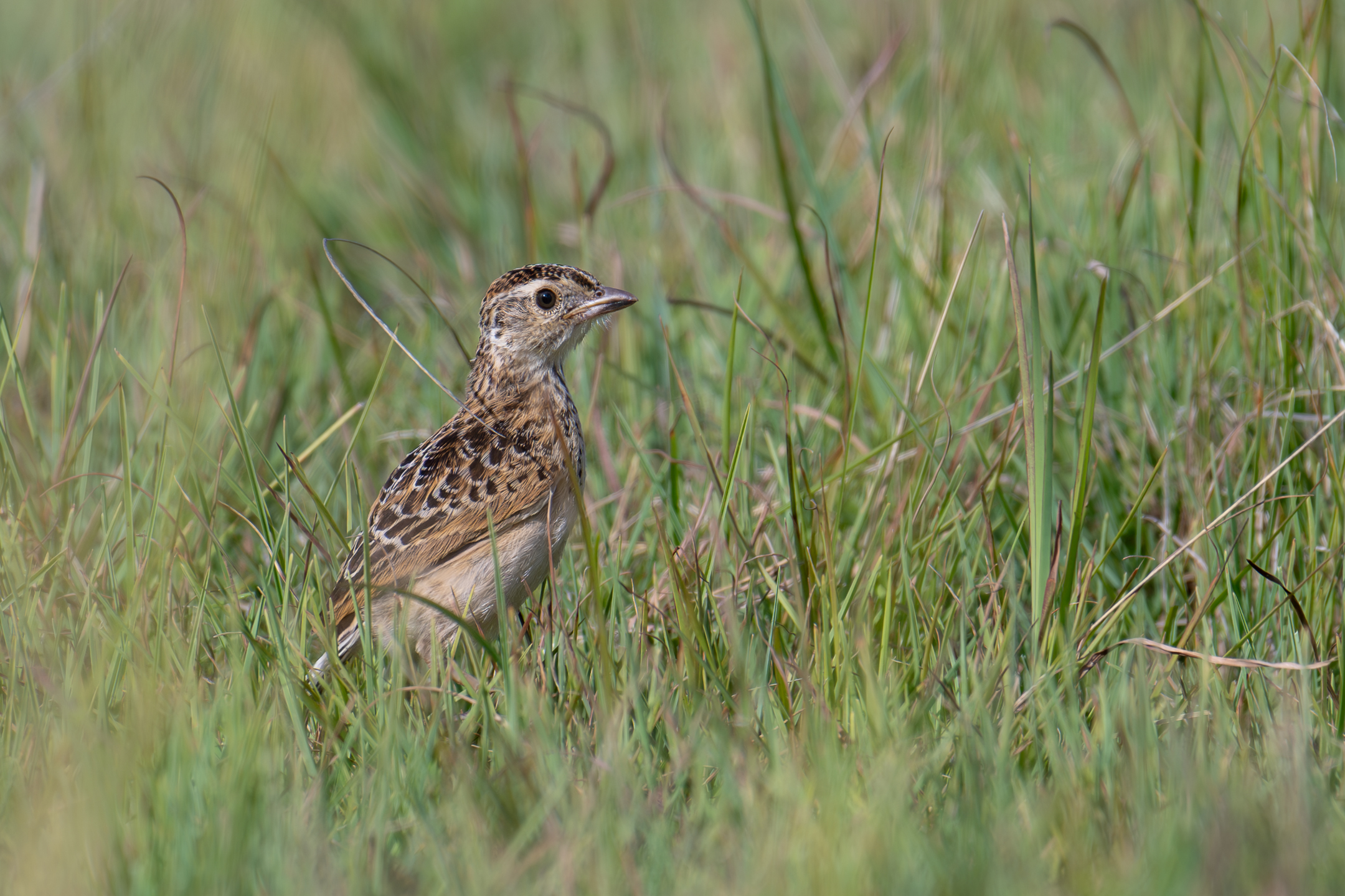
Rudd’s Lark
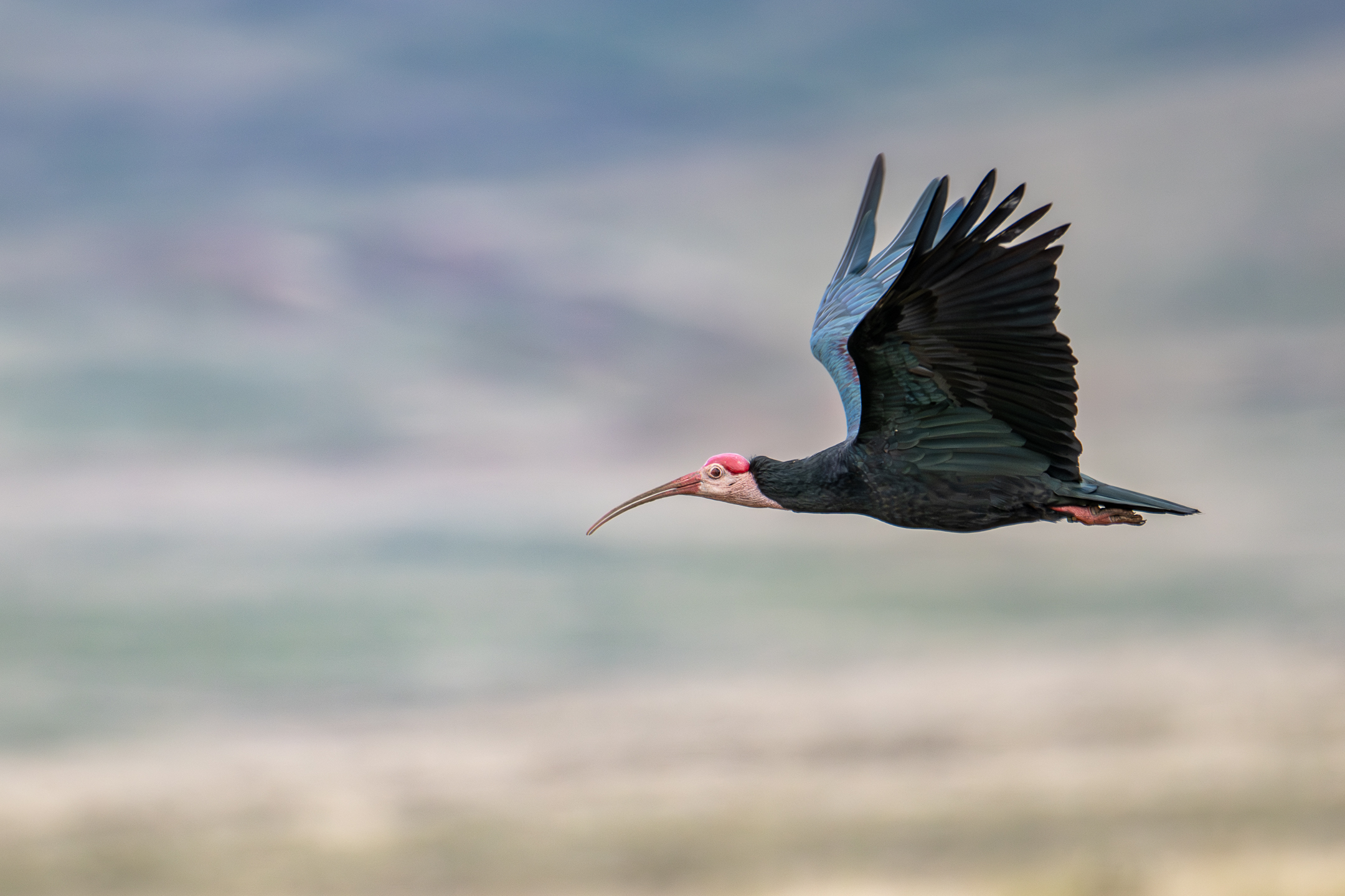
Southern Bald Ibis
Wakkerstroom is deservedly a birding hotspot and an important breeding location for the critically endangered White-winged Flufftail. (Has it ever been photographed in the wild?) It is certainly worth the effort to detour through this quaint mountain village. Get in touch with David. He knows a farmer with a field…
Aberfoyle Lodge, Honde Valley, Zimbabwe
Overnight stops in the Soutpansberg and at the ruins in Great Zimbabwe kept the list ticking up but the prospect of what Zimbabwe’s famed Eastern Highlands would yield was what we looked forward to most.
The area is a birder’s paradise. It is capped by the country’s highest peak, Mount Nyangani, at 2,592 metres above sea level, and descends to the plains bordering Mozambique at 300 metres. This variation in altitude supports a diversity of habitats: lowland evergreen forest, dry miombo woodland, Afromontane forests, and high grasslands. These in turn host a dazzling list of birds not found elsewhere in Southern Africa.
Well-known Morgan Saineti is the local expert we had the good fortune of being guided by for the next three days. I enquired about the Lesser Cuckoos that had visited a month ago, thinking they’d long since returned. Ever positive, Morgan was eager to try. He hadn’t seen them for a week but located the pair in our first hour. One hepatic (rufous) and one nominate (grey) form. It was a sign of things to come. I was able to capture the active and tricky Pallid Honeyguide. These were both lifers and PlusOnes! Blue-spotted Doves, Red-throated Twinspots, Variable, Collared and Olive Sunbirds were common. Singing Cisticola and Grey Waxbill meant I would add six lifers and six PlusOnes for the day. A rare tally after five concerted years. Location, location, location!

Short-winged Cisticola

Variable Sunbird
Morgan’s plan for the next day was to rise at 04:30 and visit the Katiyo tea estate on the Mozambican border. It was another astonishing day of birding which allowed me to add images of Short-winged Cisticola, Moustached Grass Warbler, Red-winged Prinia, Black-winged Red Bishop, Orange-breasted Waxbill, and Zambezi Indigobird to the collection. A too-distant Marsh Tshagra evaded our photographic efforts but made a welcome addition to our regional lists.
Other notables for the day included Pale Batis, Red-necked Falcon, African Wood Owl, and good views of Silvery-cheeked Hornbills. A Namaqua Dove somehow seemed out of place here.
Our last morning, before leaving for the equally famous Seldomseen Cottages, was to continue our lucky streak. We glimpsed an Eastern Bronze-naped Pigeon (lifer). Photographing it remains a work in progress. By the time we fired up the old Defender, Stripe-cheeked and Yellow-streaked Greenbuls (two local specials), White-starred Robin, Blue-mantled Crested Flycatcher, and Green-backed Woodpecker (PlusOne) graced our list, which had climbed to 172.
Before we bid our farewells I was already planning a return to this phenomenal destination, a charming lodge with its world-class gallery, nearby terraced tea plantations and factory, valleys of lush indigenous forest, picturesque streams and waterfalls. I would love another chance to capture unseen gems like the Lesser Seedcracker and Black-fronted Bushshrike.
Seldomseen Cottages, Vumba Mountains, Zimbabwe
A few hours south via Mutare, to stock up on groceries, and a steep climb up into the Vumba Mountains is rewarded with a heady mix of miombo woodland, mist-belt grasslands, and montane forest against a backdrop of lake-studded vistas to the plains below. It was drizzling and dusk when we arrived but I was able to capture a White-tailed Crested Flycatcher that evening, and Roberts’s Warbler – confined to these highlands - early the next morning. Two more PlusOnes!
Renowned, enthusiastic and self-taught, Bulawesi is Seldomseen’s birding drawcard. A forest and miombo specialist who had us mesmerised from the get-go. That first morning we soon had Yellow-bellied Waxbill, Chirinda Apalis, Crowned Eagle, Eastern Miombo Sunbird, Yellow-throated Woodland Warbler, and Orange Ground Thrush, a secretive dark-forest dweller that I was ecstatic to finally view on my digital screen.
A pilgrimage to these parts is incomplete without a visit to the nearby Tony’s Coffee Shop. I don’t think I’ve ever tasted cakes as delicious and delicate, and intimately described by its eponymous host, as I did in those idyllic gardens. It’s a must-do.
The next day was clear and Buli took us to the miombo woodland 20 minutes away for a very different raft of local specials. Our list of birds seen, lifers, and PlusOnes was soaring. After generous views of Cabanis’s Bunting, Black-eared Seedeater, and Miombo Rock Thrush, a frenetic bird party flitted through the dry forest: Southern Hyliota, African Spotted Creeper (three of them!), Miombo Tit, Brubru, and Western Violet-backed Sunbird. We didn’t know where to look or point our cameras. Too many got away.
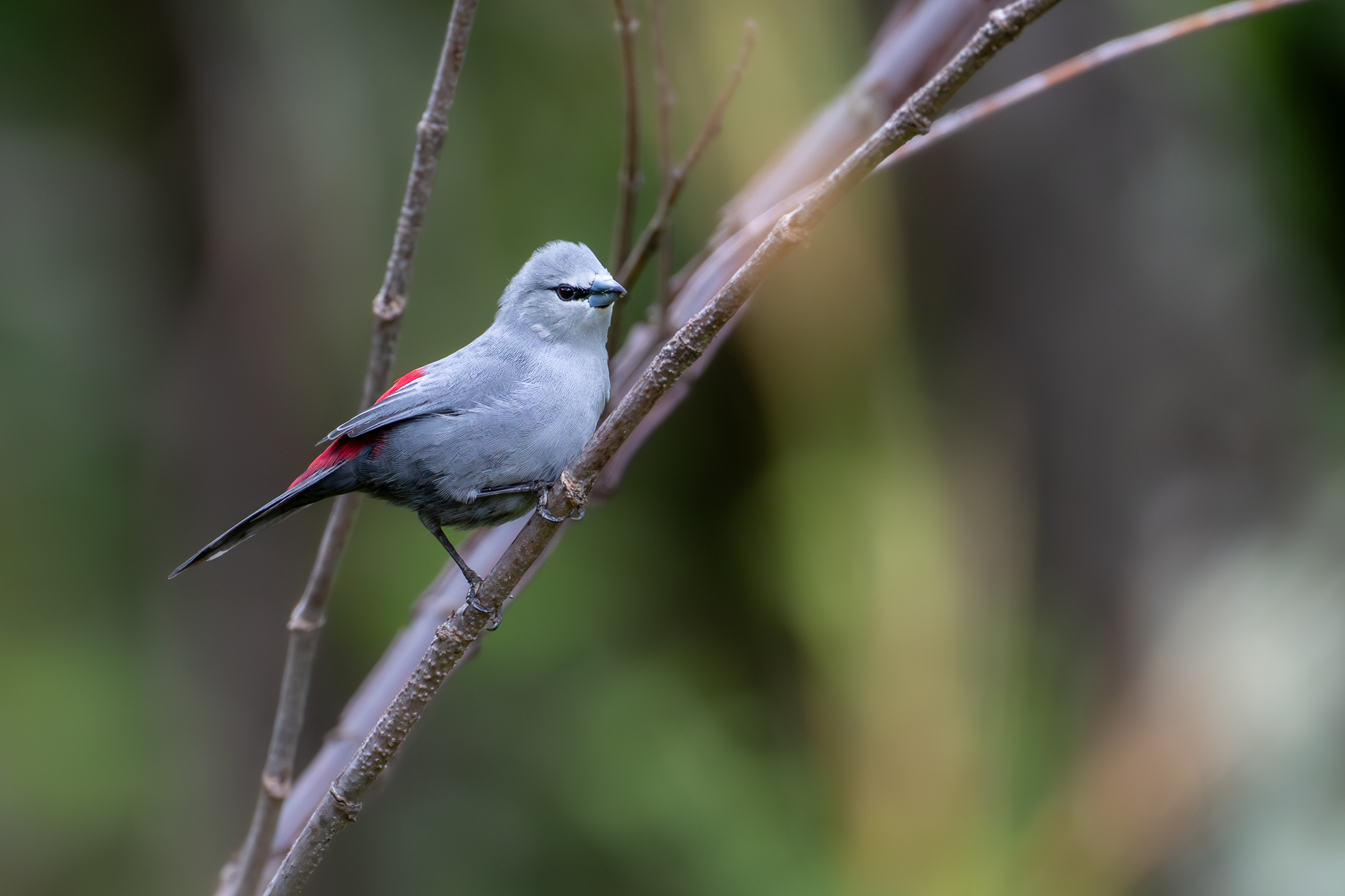
Grey Waxbill
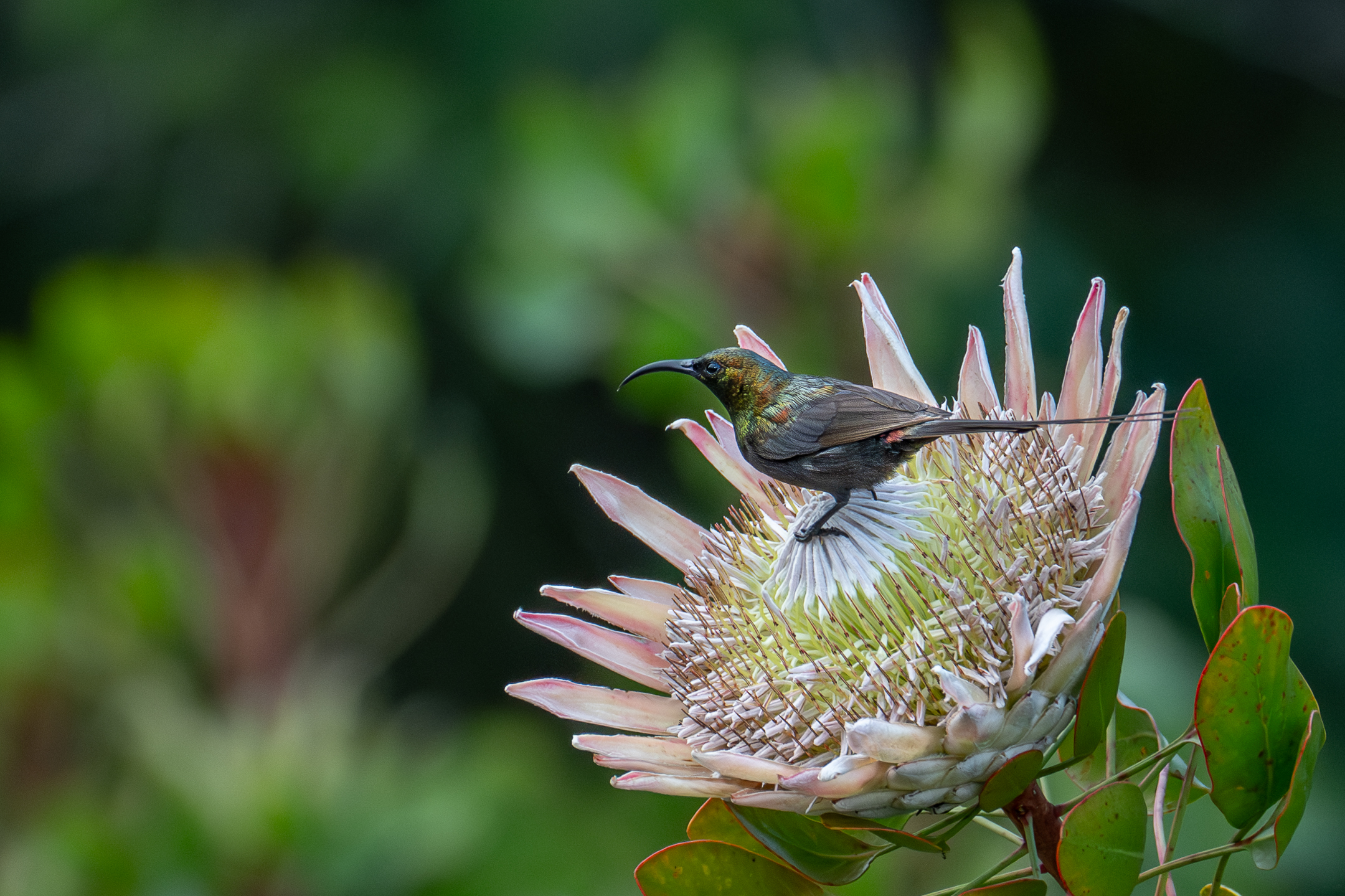
Bronzy Sunbird
Later that afternoon we returned to Buli’s secret Swynnerton’s Robin locations and finally saw the exquisite bird, orange and grey with a new moon below its neck. Red-faced Crombec, Bronzy Sunbird and Cape Grassbird rounded off another very pleasant stay in the Highlands.
A couple of nights in the Save Valley Conservancy on our way to Zimbabwe’s second-largest national park was much enjoyed. Mopane woodland yielded to taller bushveld trees and open riverine habitats including ilala palm and fever tree forests. Our list had ticked up to 235 with many more common residents added. A pride of lions relaxed on the road south and the next morning a large troop of baboons provided a spectacle as they crossed the shallow Turgwe River, each in their own animated way. There’s great camping at the central Humani campsite.
Gonarezhou is a spectacular park of undulating hills and wide rivers. Images of herds of elephant crossing the Runde River at sunset beneath the ochre Chilojo Cliffs, baobabs dotting the postcard, will forever be etched in our memories. It is a successful collaboration between ZimParks and the Frankfurt Zoological Society that has preserved raw Africa at its finest. Game numbers are increasing. The roads are rough, but the landscapes and unfenced wilderness camps overlooking pans and rivers are hard to beat. We thoroughly enjoyed the camps at Chipinda Pools, Machaniwa, Director’s and Rossi Pools. The elephants do need to be treated with an extra measure of caution. Their collective memory of years of bygone hunting and poaching has them spooked.
We soon had good and multiple sightings of less commonly seen birds: Purple Roller, Dickinson’s Kestrel, Great Spotted Cuckoo and Southern Ground Hornbill. We spent six nights in the park traversing it from east to west, exploring the cliff-lined river valley, and from north to south, through the varied habitats. We added Senegal Lapwing (near Machaniwa Pan), Yellow-billed Oxpecker, the critically endangered White-headed Vulture, Mosque Swallow (PlusOne), African Hawk-Eagle and Dark Chanting Goshawk, lifting our numbers to 259.
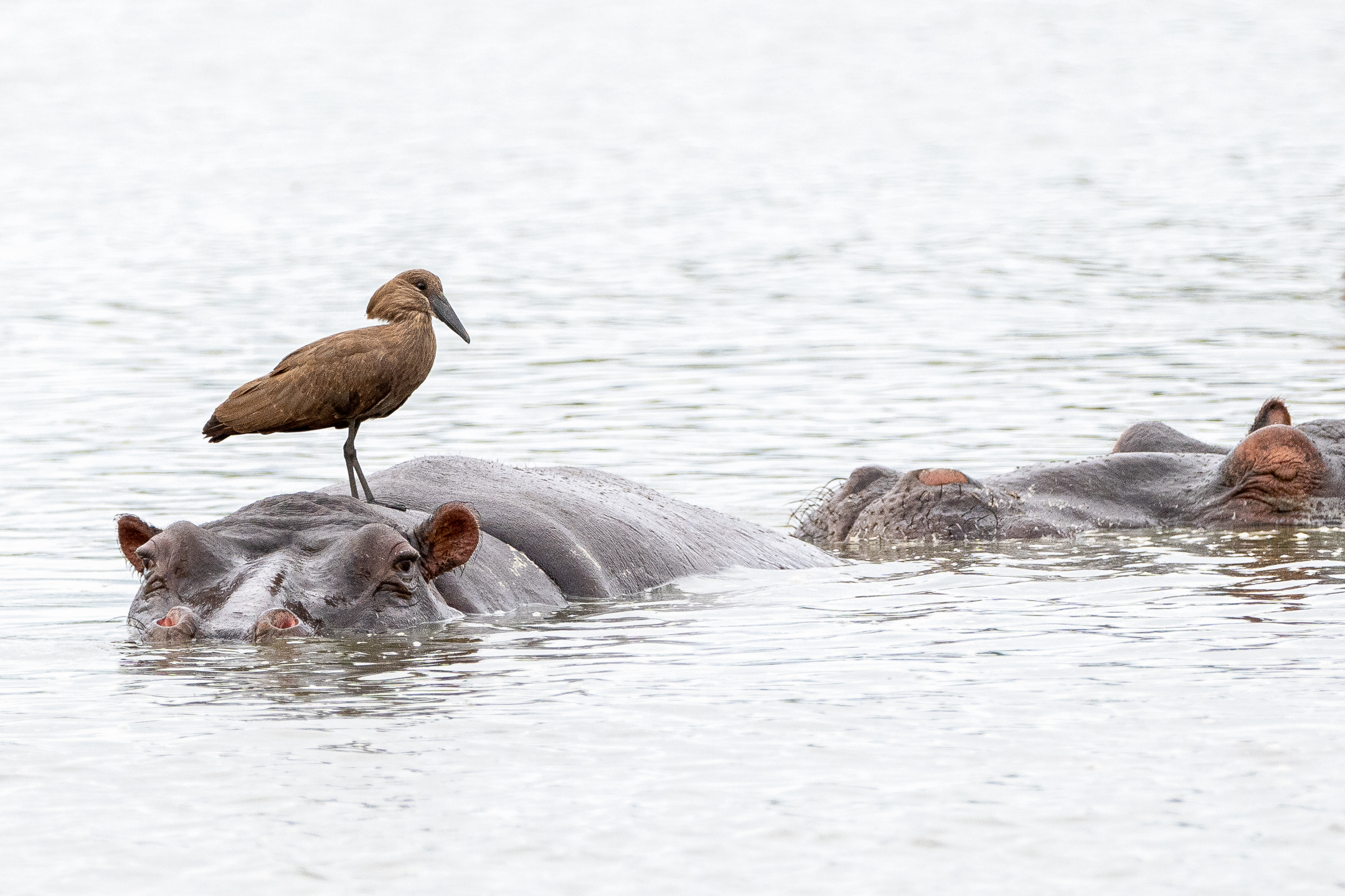
Hamerkop
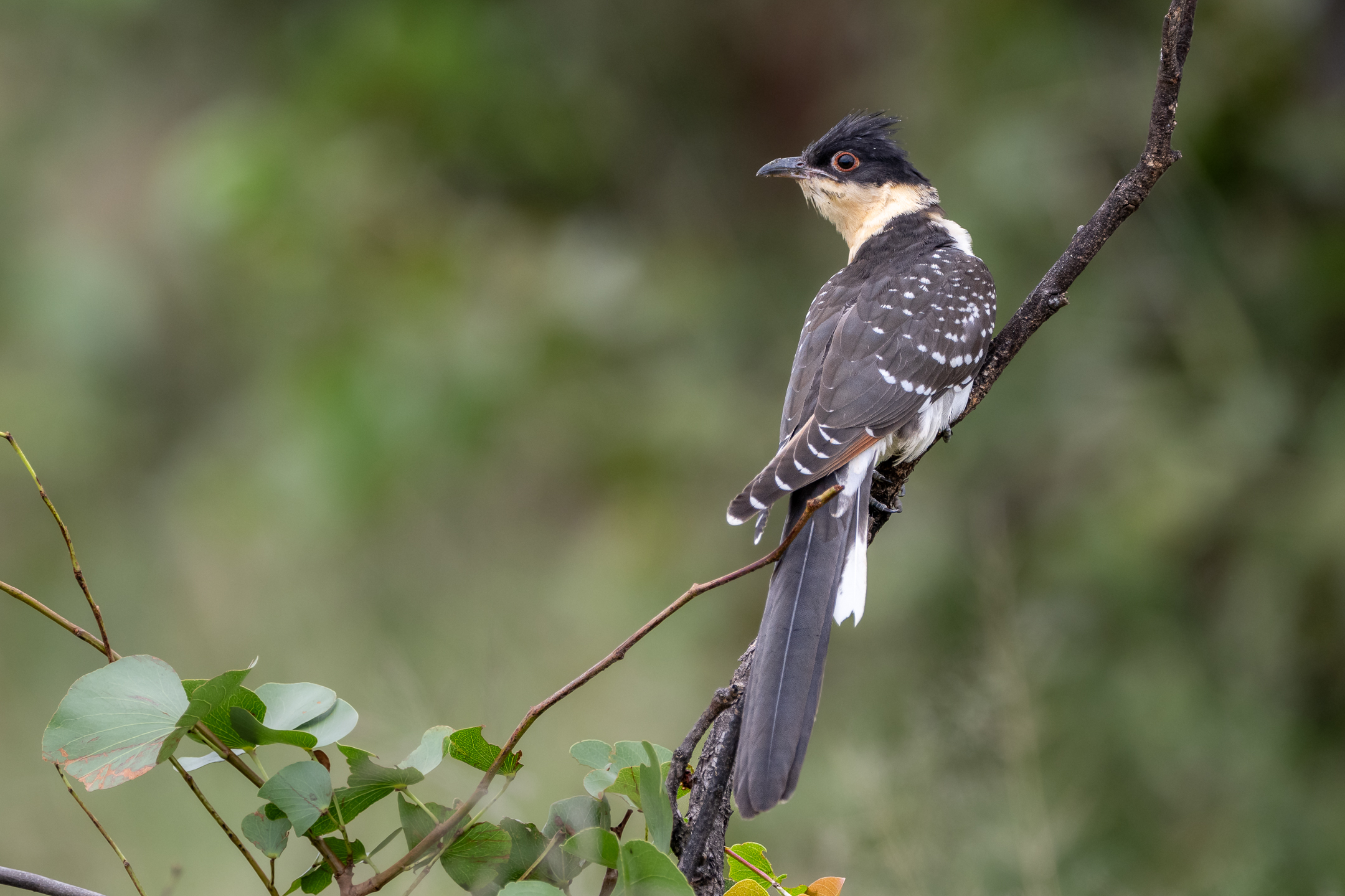
Great Spotted Cuckoo
Kruger National Park, South Africa
Exiting southeast Gonarezhou at the Sango border crossing into Mozambique was painless and the poor gravel instantly turned into an unexpectedly perfect tar road. If you need a puncture fixed, stop at the roadside in Chickwalawala. They can repair a 10cm sidewall gash that will get you at least another 1,000km! 80kms later we turned south at Mapai, crossed the Limpopo River, and veered east back towards South Africa. There’s a lovely verdant campsite before the Pafuri Border Post – Dumela Camp – on the river near a fever tree forest. Wood Owls serenaded us to sleep.
In the morning a guided walk revealed Black-throated Wattle-eye, African Paradise Flycatcher, Orange-breasted Bushshrike and another lifer, a Lemon-breasted Canary, just too far and high to be a PlusOne.
Back in South Africa, the Luvuvhu River was a hive of activity, trunked pachyderms everywhere. Additions to our list included the haunting Grey-headed Bushshrike, the comic Crested Guineafowl and the fresh from a makeup, Retz’s Helmetshrike.
The park is a favourite destination of mine, but I’d never traversed it longitudinally. We’d planned seven nights, making our way from Punda Maria at the top to Crocodile Bridge at the bottom, showing our friends (Kruger newbies) all that this national flagship has to offer: its varied vegetation, plentiful wildlife, endless unfenced landscapes, and a captivating history.
Ambling south we ticked Mocking Cliff Chat, African Scops Owl, Mourning Collared Dove, and a Lappet-faced Vulture, which I hadn’t seen in a while. Yellow-throated Longclaw, Verreaux’s Eagle-Owl and Black-chested Snake Eagle soon followed. A fellow birder pointed out the African Skimmers on the river at Lower Sabie. These near-threatened birds number around 1,000 in Southern Africa. Spectacled Weaver and finally, after hearing it for weeks, a Pearl-spotted Owl in daylight. We left Kruger just shy of 290 birds.
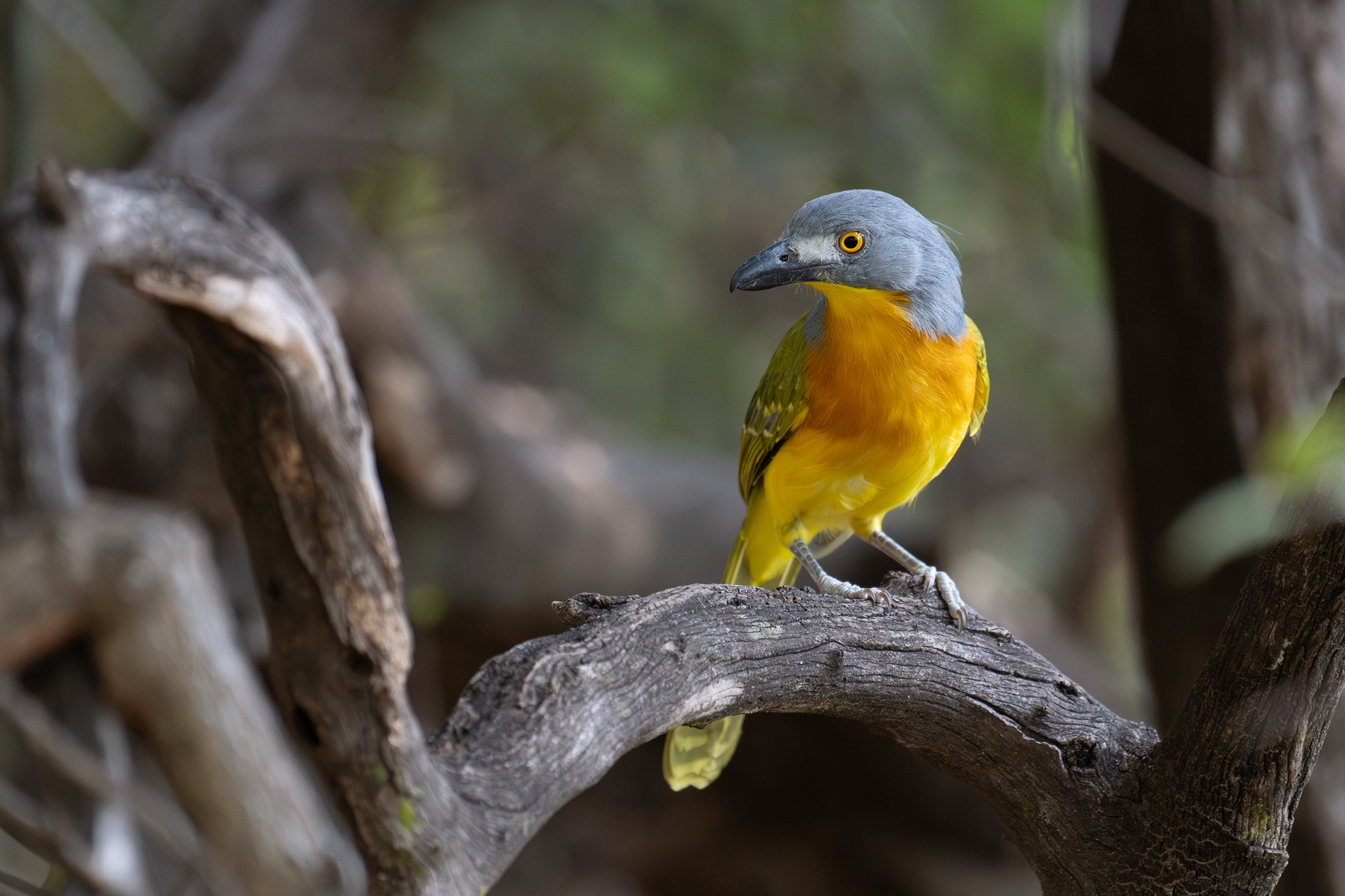
Grey-headed Bushshrike
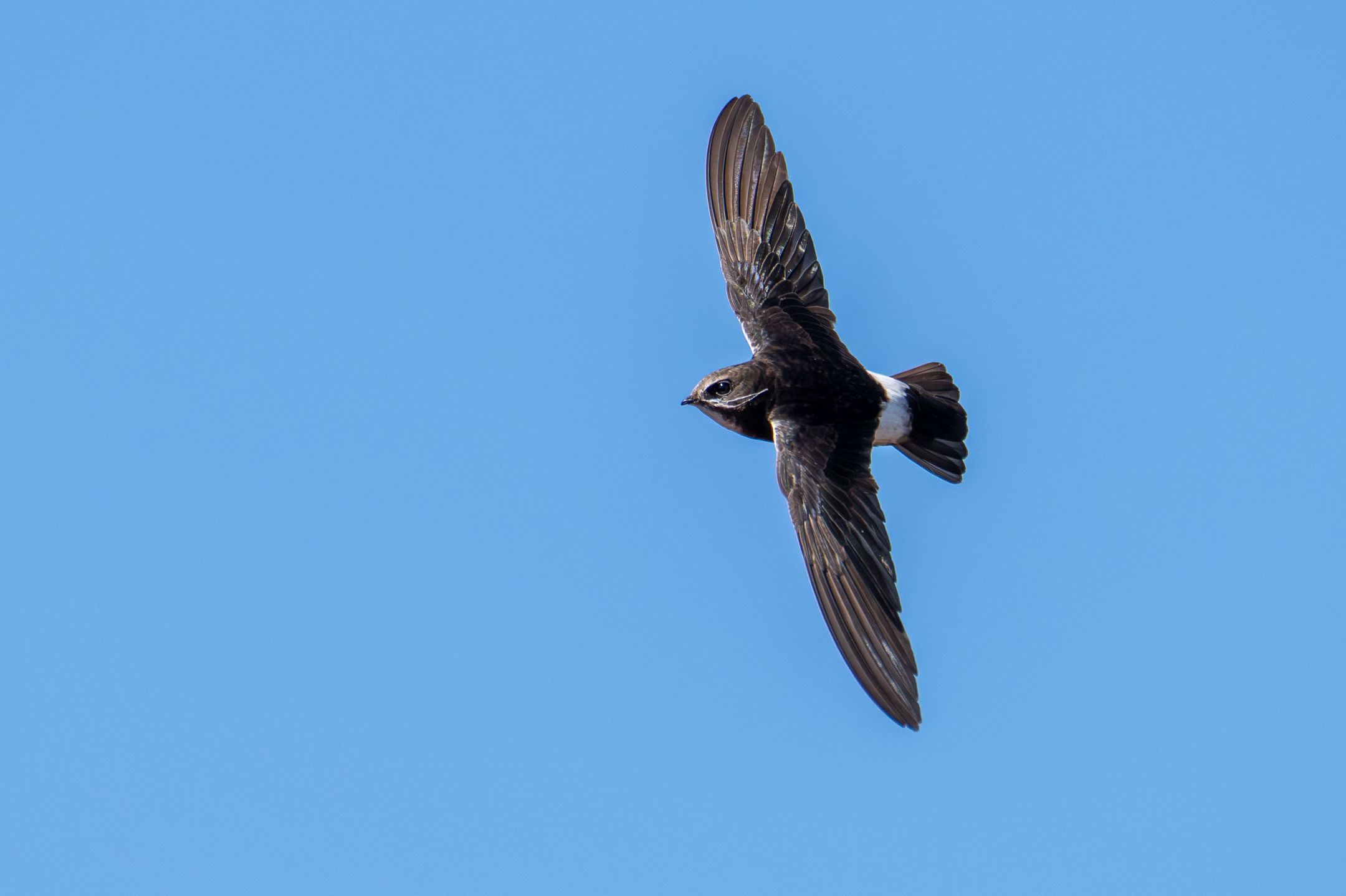
Little Swift
Maputo National Park, Mozambique
The recent amalgamation of two local parks into this trans-frontier national park in late 2021 is led by the country’s conservation department together with the Peace Parks Foundation. It has received much publicity since, and I was chomping at the bit to visit. It is an idyllic collection of diverse habitats: wetlands, grasslands, rolling hills and coastal dune forests alongside fine white-sand beaches and a turquoise sea. Four by four vehicles are needed to access this spectacular and important wilderness boasting the finest camp sites in Southern Africa. We were mesmerised from the entrance gate. Red duiker and nyala were abundant. Giraffe, warthog, elephant… All a stone’s throw from the beach.
We only saw 30 birds in our two days there, possibly because our eyes were glued to the 4x4 trails. I was very pleased to add the African Pygmy Kingfisher to my collection. One posed quietly in a mangrove swamp. Chinspot Batis, Striated Heron and Crowned Hornbill took us to 295. Next stop: Babanango Game Reserve in KwaZulu-Natal.
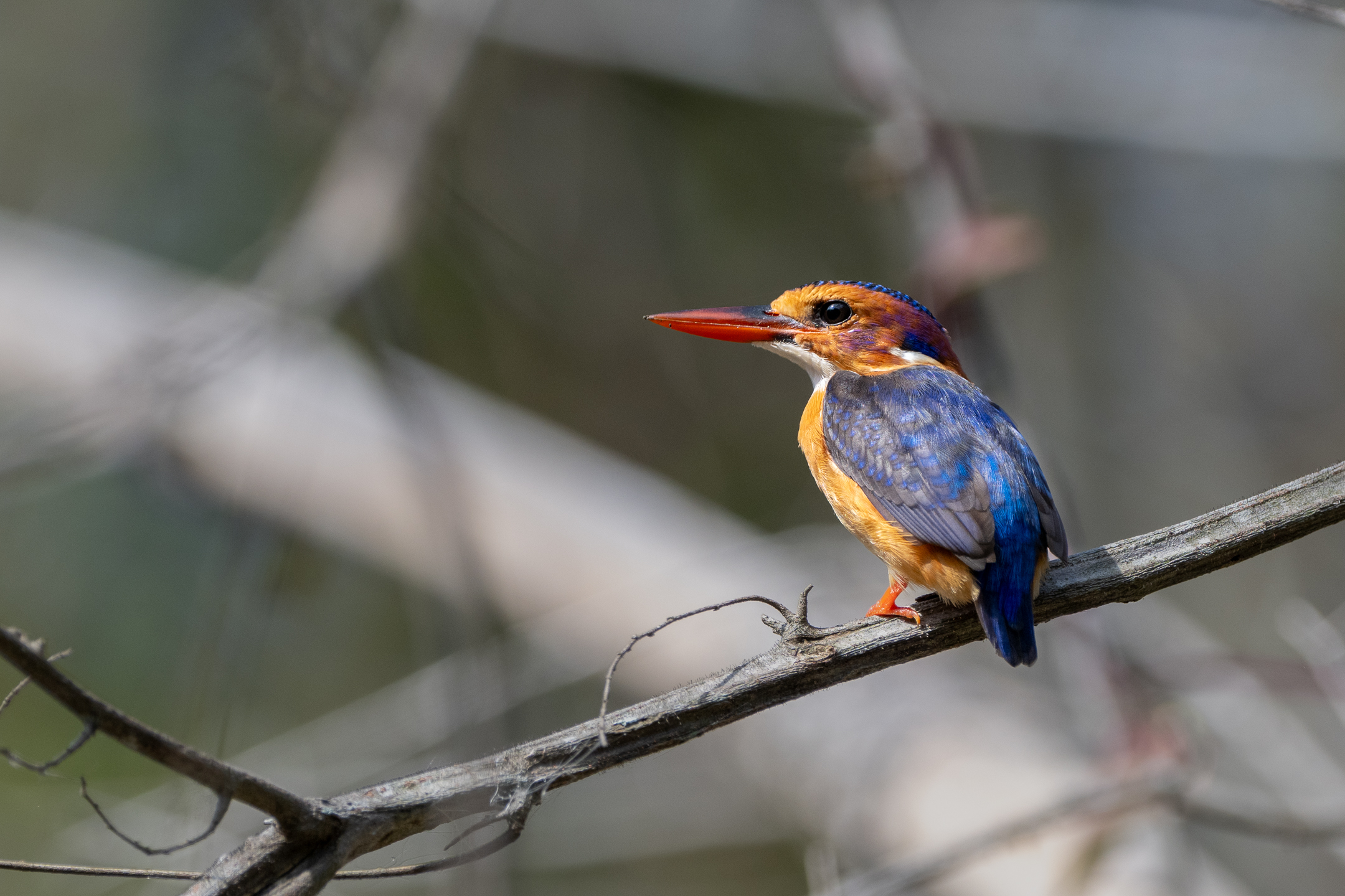
African Pygmy Kingfisher
Babanango Game Reserve, KwaZulu-Natal, South Africa
Friends who manage this reserve invited us to stay for a few nights. We connected the dots to ensure that our return home would go past this 20,000-hectare private reserve not far from the Zululand battlefields. The reserve proudly boasts the big five and cheetah and much more, and has rehabilitated and rewilded vast tracts of old farmland and invasive vegetation. Babanango offers self-catering chalets as well as five-star lodging. We were treated to both intimate and exhilarating game drives through a wonderland of topographies.
Common bushveld birds still missing from the list were quickly added as were less common ones: Secretary Bird, Red-throated Wryneck, Buffy Pipit, Coqui Francolin. 60 birds in three days.
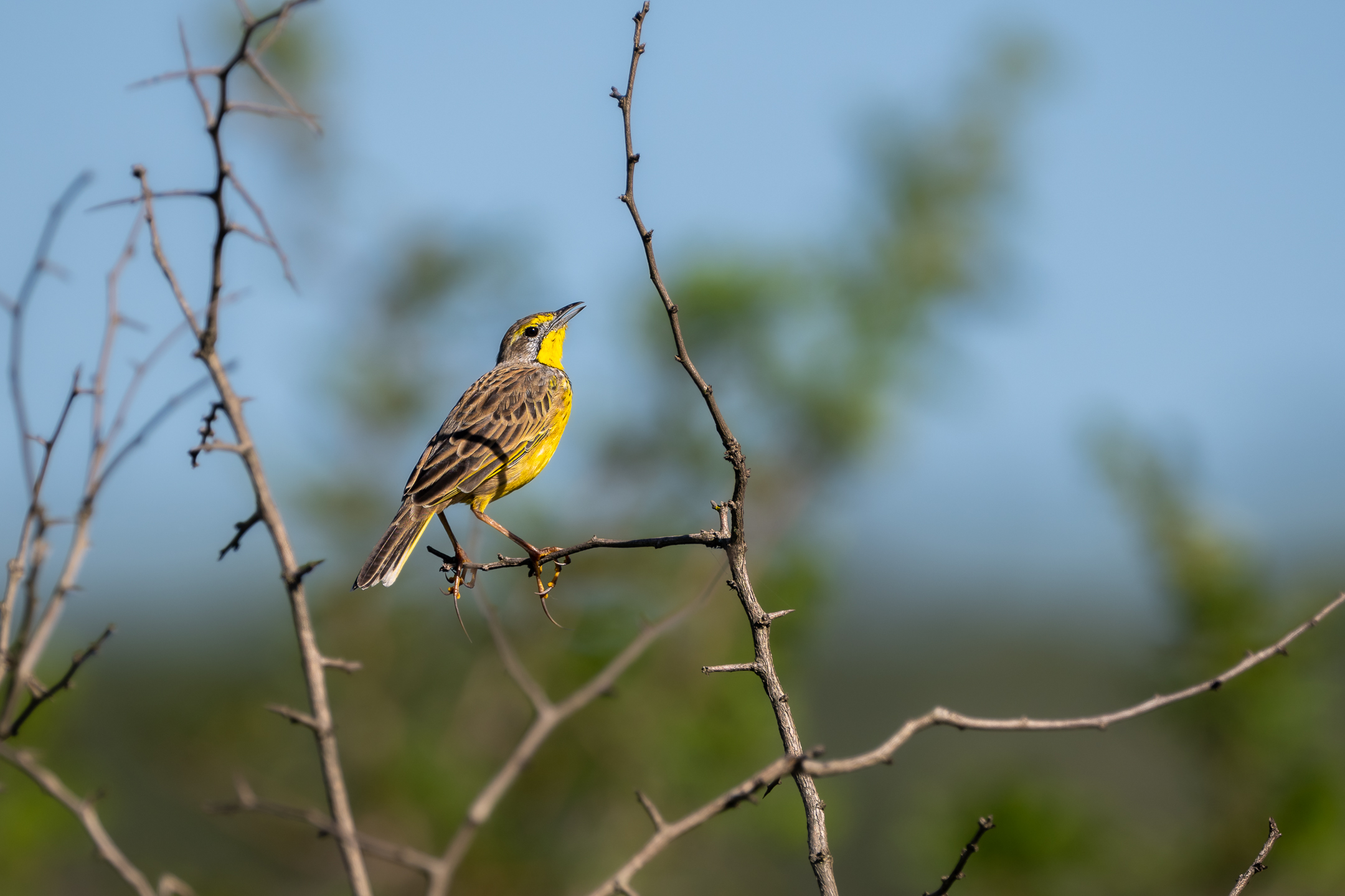
Yellow-throated Longclaw
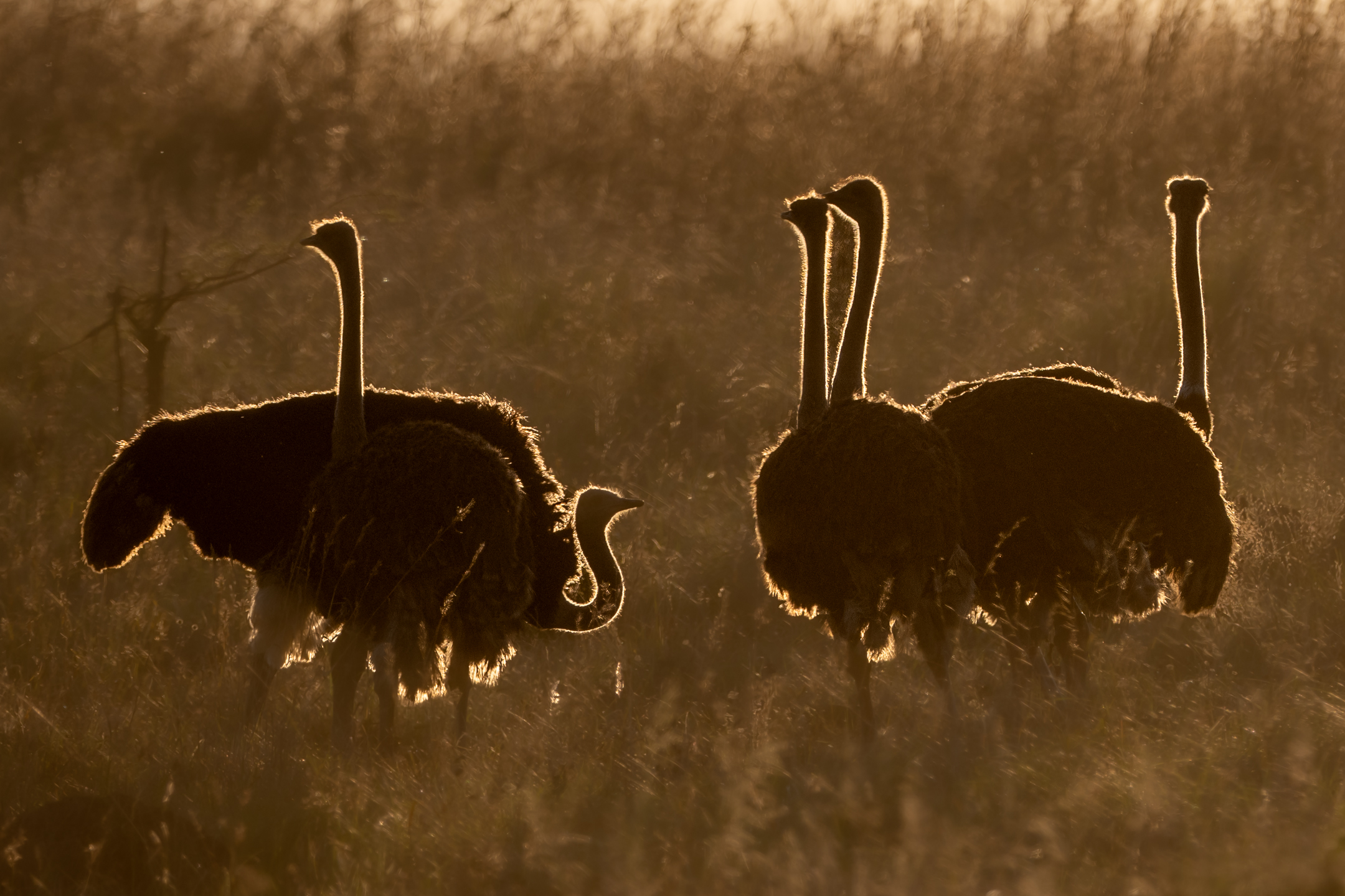
Common Ostrich
And before we knew it we were back home. 8,000 kilometers in five weeks. Some blank spaces on the map filled. 312 birds including 30 lifers and 26 PlusOnes. I could do it again tomorrow.